A Sound We Know: Making Fire Drills an Ordinary Part of Feeling Safe
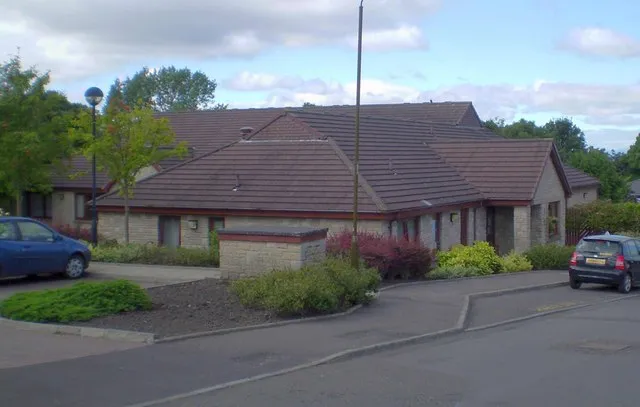
Photo: Tom Sargent, CC BY-SA 2.0, via Wikimedia Commons
Walk into any residential home and you will hear a particular vocabulary of sound: the lift arriving, the tea trolley on its morning round, a radio in the lounge, the front door. Then there is the alarm. It is the one sound in the building that everyone hopes never to hear for real, and the one we rehearse most often. At St Dorothy's we take the view that familiarity is a form of protection. A resident who knows what the alarm means, and what will happen next, is a resident who can stay composed if the day ever requires it.
The plan behind the sound
Fire safety in UK care settings does not rest on the alarm itself but on a written plan: a fire risk assessment, reviewed annually and again whenever the building or the people in it change, alongside an individual evacuation plan for every resident. Most residential homes work on the principle of progressive horizontal evacuation, which means moving people away from the affected area into a protected section of the same floor before considering any move outside. This is why fire doors must stay closed, why corridors are kept clear, and why staff spend so much time quietly checking things that residents never notice.
None of that is intended to unsettle anybody. It is simply the groundwork that allows a drill to be a routine event rather than a dramatic one.
Announcing it before it happens
Surprise has no place in a fire drill. Dates are agreed in advance and appear on the weekly planner at reception, on the noticeboard by the dining room, and in the diary that residents and families are welcome to read. The manager mentions the coming drill at the residents' meeting, and on the day itself staff raise it again over breakfast and again at mid-morning.
When the alarm sounds, the first words matter as much as the sound. A member of staff in each area will say, clearly and unhurriedly, that this is a practice and that there is no fire. The same wording is used every time, by everyone, so that the phrase becomes recognised in its own right. It is a small discipline, but it does a great deal of good.
Hearing, memory and the individual
A drill that works for most residents will not automatically work for all of them, and the planning reflects that. For residents with hearing loss, the alarm is paired with visual warning lights in bedrooms and communal areas, vibrating pads that can be placed beneath a pillow at night, and, most reliably of all, a member of staff knocking at the door and speaking face to face. For residents living with dementia, the approach is gentler and more personal: a familiar face, an arm offered rather than taken, short sentences, and no sense of hurry. Where someone finds the noise itself distressing, a staff member will stay with them throughout.
Timing is considered too. Drills are not scheduled during personal care, during rest periods, or at the busiest point of a mealtime. There is no benefit in testing people at their most vulnerable, and plenty of benefit in choosing a moment when the building is calm.
What staff actually do
On the day, each member of staff has a defined role. One confirms the alarm point and announces the practice clearly. The marshal sweeps the building, opening doors to bathrooms, quiet corners and the smaller lounges where somebody may be sitting unnoticed. Another takes the register to the assembly point and accounts for every resident by name. Others check that fire doors have closed properly and that the lift has been returned to the ground floor and is not in use. The sweep is the part that matters most, and it is the part rehearsed most seriously.
Residents are walked, not hurried, to the designated area. Those who can move independently are encouraged to do so; those who need a wheelchair or a frame are assisted by staff who have practised the route with them before. Nobody is asked to do anything on the day that they have not already done in practice.
Questions families and referrers often ask
Relatives and professionals visiting for the first time sometimes want reassurance before they raise the subject. It is reasonable to ask how often drills take place, how residents are told in advance, what happens at night, and where the record of practices is kept. At St Dorothy's the answers are straightforward: drills are held at regular intervals, including a variation at night so that the waking-up procedure is tested too; residents are told in advance and again on the day; and every practice is logged with the time, the date, the staff involved and any observations. That log is available to inspect.
Afterwards, the quiet part
A drill does not end when the register is complete. Staff return to the building, reopen the doors, put the kettle on and check in with anyone who seemed unsettled. If a resident found the experience difficult, that is noted in their care plan and discussed at handover, so the next practice can be adjusted. Feedback from residents and families is genuinely welcome; more than one improvement to our procedure has come from a passing remark over a cup of tea.
An alarm is, in the end, only a sound. What gives it meaning is the preparation behind it and the people who respond to it. Our aim is modest and important: that when residents hear it, they recognise it, understand it, and know that someone will be beside them. That is not merely compliance. It is care, practised until it becomes ordinary.