Paws, Practicalities and Permission: How Animals Find a Place in Residential Care
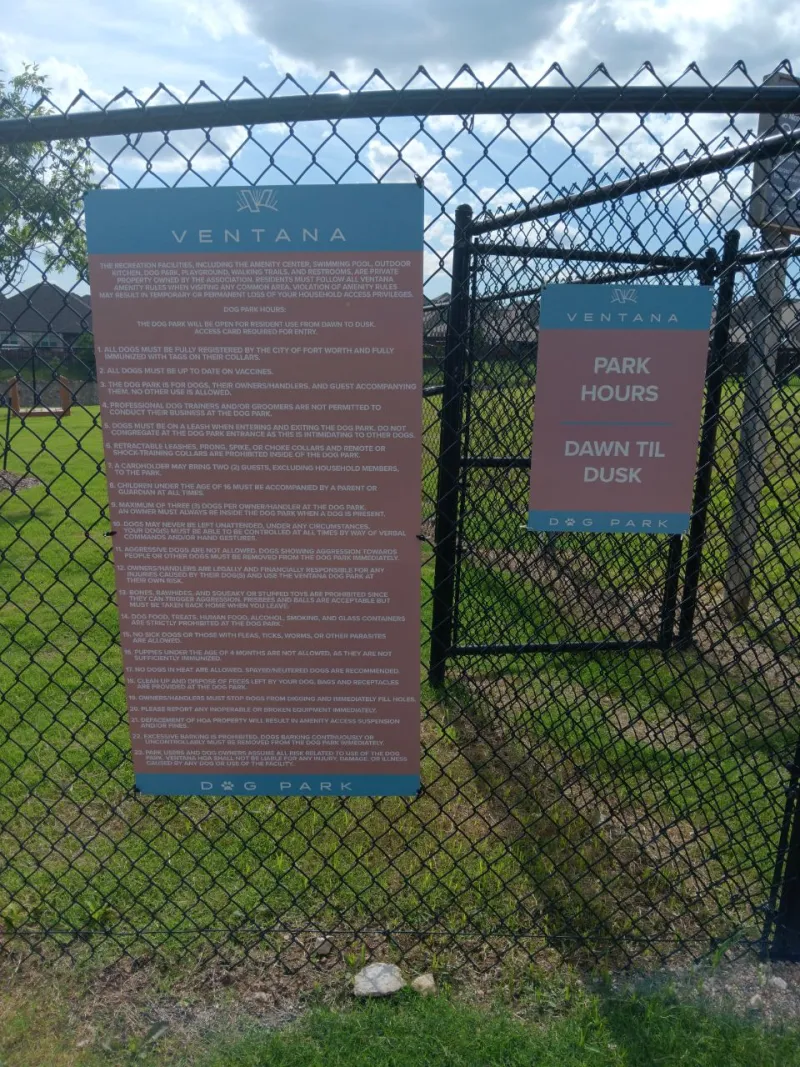
Photo: Aspensmonster, CC BY-SA 4.0, via Wikimedia Commons
A dog in the dining room is not, on the face of it, a sensible idea. There is food, there are wheels and walking frames, and there are residents who may be anxious around animals. Yet the sight of a wagging tail at the edge of a communal space can also do something that a planned activity sometimes cannot: it starts a conversation, prompts a memory and gives the day a touch of the unexpected.
At St Dorothy's Residence, animals are not treated as a gimmick or a decorative extra. They are considered, where appropriate, as part of ordinary life. That means welcoming the benefits while being honest about the practicalities. A care home is a shared home, and not everyone wants a wet nose near their lunch tray.
Why animals matter in a residential setting
For many residents, animals are linked to earlier life: a family dog, a cat on the doorstep, a budgie in the front room. Seeing an animal can prompt reminiscence and ease conversation. For others, the benefit is simpler: stroking a calm dog or watching a cat move through a room can reduce isolation and bring a sense of normality.
There is also a social effect. Animals give residents, staff and families something to talk about that is not care-related. A visit from a dog can draw out quieter residents and create a shared moment in the lounge. It can lift the mood of a corridor. These are small things, but in daily life they carry weight.
Three routes for animals to arrive
In practice, animals tend to enter residential care through three routes: a resident's own pet, a family pet coming to visit, and a trained therapy or visiting animal. Each route needs different arrangements.
Resident pets
A resident may ask whether their pet can move in with them. Sometimes the answer is yes; often it is not straightforward. The decision must consider the animal's welfare, the resident's ability to provide care, staff support, space, noise, allergies and infection control. A pet is not an automatic right of admission, and a home should not promise something it cannot sustain.
Where a resident pet is agreed, the care plan should include feeding, walking, veterinary care and contingency arrangements if the resident becomes unwell or goes into hospital. In the UK, animal welfare legislation places a duty on those responsible for animals to meet their needs, and that responsibility does not disappear in a care setting. The resident may be the owner, but the home may need to support the practicalities.
Family pet visits
Family pets are often easier to accommodate than a resident pet, but they still need planning. A visiting dog should be comfortable with unfamiliar people, kept on a lead in communal areas, and introduced carefully. Vaccination records, flea and worming treatment, and basic hygiene are reasonable requirements. Some homes ask for notice so that residents who are allergic or frightened can be prepared.
It is also fair to have areas where animals do not go. The dining room during meals is an obvious example. A brief visit to the lounge or garden may be welcome; a dog weaving between tables at lunchtime is less so. These are not arbitrary rules. They are the quiet arrangements that allow animals and residents to share space safely.
Therapy and visiting animals
Therapy animals usually come through organised charities or visiting schemes. Their handlers should carry insurance, and the visit should be risk-assessed. The animal's temperament matters as much as the resident's consent. A therapy dog may be calm and well trained, but a resident may still prefer not to take part, and that choice should be respected.
Assistance dogs are a separate matter. Under the Equality Act 2010 in England, Scotland and Wales, assistance dogs have specific legal recognition. A care setting should not confuse an assistance dog with a visiting pet. Referrers and families should ask how the home manages both.
The risk assessment is not a ban
A risk assessment should not be used to close down every good idea. It should weigh the benefits against the risks and set out how the risks will be managed. Allergies, asthma, infection control, trips and falls, animal stress and cultural preferences all need consideration. Hand hygiene, pet-free zones and clear visiting times are practical tools.
At St Dorothy's, we also consider the resident who does not like animals. A shared home must make room for the person who would rather not have a dog near their chair. The answer is not to ban all animals, but to plan visits so that they do not impose on others. That may mean using a garden room, a quiet lounge or a scheduled time when residents can choose to attend.
The small, messy moments
Animals bring mess. They shed hair, require walks and occasionally bark at the wrong moment. They can unsettle a routine. A care home that welcomes animals must be willing to accept some of that untidiness, within sensible limits.
But the messy moments are often the ones that build community. A resident who once kept dogs may correct a staff member on the right way to hold a lead. A family member may bring in a puppy and find that a usually quiet parent has a story to tell. A therapy dog may fall asleep under a chair while a group of residents talk around it. These are not clinical outcomes, but they are part of a life that feels lived rather than managed.
What families and referrers should ask
If animals matter to a resident, ask about the home's policy before admission. Can a family pet visit? Are there restrictions on where and when? How are allergies and phobias handled? Is there a named member of staff responsible for animal visits? What happens if a resident's pet can no longer be cared for?
A good answer will be warm but honest. It will not promise that every animal is welcome at every moment. It will explain the arrangements, the boundaries and the reasons behind them. At St Dorothy's, animals are part of the conversation about comfort and community, but they are not a shortcut to either. They require permission, planning and a willingness to accept a little mess along the way.