The Twenty-Four Mornings: Advent Calendars and the Art of Small Anticipation

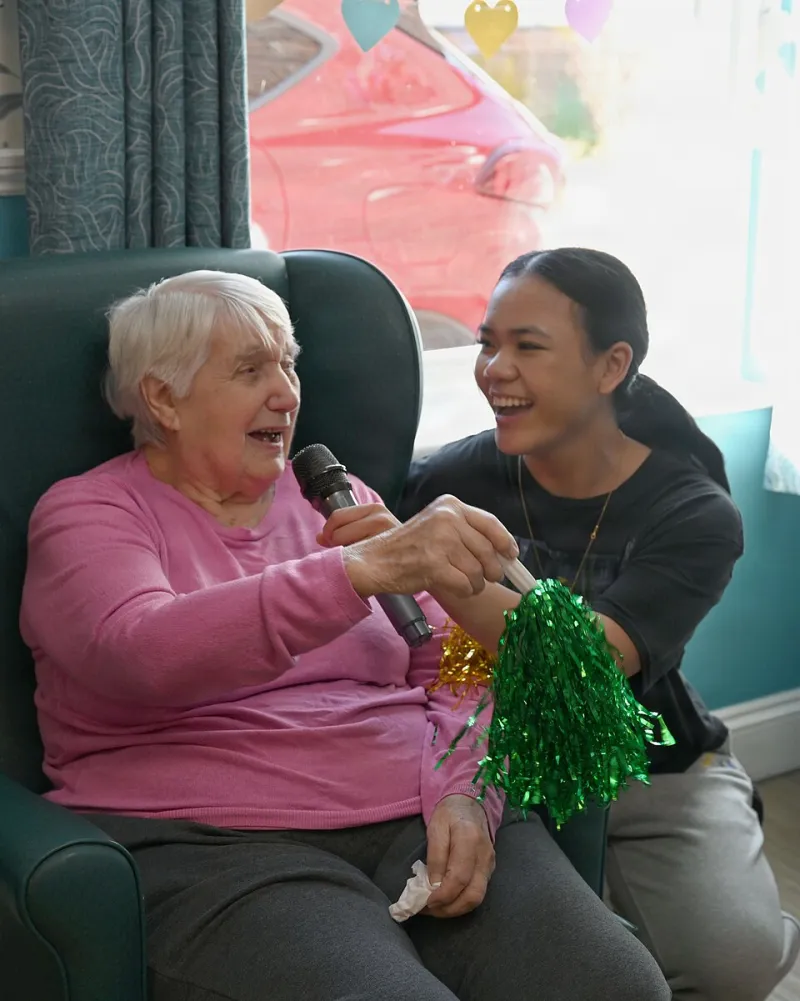
Photo: senior woman opening paper Advent calendar in cosy UK care home lounge, via frontiermgmt.com
December in a residential setting can easily become a month of arrangements. There are visits to plan, seasonal food to discuss and decorations to hang. Amid all of this, an Advent calendar offers something unusually modest: one small door, opened once a day. It asks very little of anyone, yet it can give shape to a morning and a reason for a short, pleasant conversation.
At St Dorothy’s Residence, we see Advent calendars not as an activity to be organised for residents, but as a small personal ritual that residents may choose to keep. The distinction matters. A calendar placed on a windowsill with a resident’s agreement is very different from one handed out with the expectation that everyone will join in. December can be a joyful month, but it can also feel crowded. The best seasonal gestures are the ones that leave room to decline.
A Small Door, a Modest Pleasure
An Advent calendar works by postponing pleasure. You see the next window, you wait, and then you open it. For some residents, that daily pause is the whole point. For others, the pleasure lies in the picture behind the door, the chocolate inside, or the memory it stirs of childhood kitchens and paper calendars pinned to a cupboard door.
There is no single correct way to use one. A resident may prefer to open the window alone after breakfast, with a cup of tea nearby. Someone else may like a family member to open it during a visit. Another may enjoy the company of a staff member who can admire the picture and stay for a few minutes. What matters is that the calendar belongs to the resident’s day, not to a timetable. Staff can note a preference quietly and then protect it.
Formats That Suit Different Lives
Advent calendars now come in many forms, and the choice is worth thinking through rather than simply reaching for the first one on a shop shelf.
Chocolate calendars are familiar and pleasing, but they need a little care. Ingredients should be checked for allergies and intolerances, and for residents with diabetes or swallowing difficulties, a small chocolate may not be suitable. Families should tell us about dietary needs before bringing one in, and staff can store it safely and label it clearly. A calendar with a small toy or a picture may be a better fit for some residents.
Picture calendars are simple and inclusive. A robin, a candle, a snowy roof or a stained-glass window can prompt a pleasant memory without any food involved. Large numerals and clear, high-contrast images are helpful for residents living with dementia, particularly when the calendar sits in the same familiar spot each day.
Handmade calendars can be deeply personal. A fabric calendar with pockets, a card made by grandchildren, or a calendar filled with family photographs can carry real meaning. But handmade should not mean homemade pressure. Families should feel free to keep it simple, and residents should not feel obliged to admire or use something that does not appeal.
Faith-specific calendars may be important to some residents. A Christian Advent calendar with scripture or devotional pictures can support a resident’s own practice, and it should be offered with the same quiet respect we give to any religious observance. At the same time, December is not a single-faith month, and not every resident will mark Advent at all. A winter-themed calendar, a family-photo calendar or no calendar whatsoever are all valid choices.
Dementia-friendly calendars deserve particular thought. Look for large windows, bold pictures, simple numbering and no small removable parts. Keep the calendar in one consistent place, at eye level, and be ready to offer a gentle prompt. If a resident opens several windows in one go, there is no need for correction. The calendar is there for pleasure, not for assessment.
Dietary Needs and Everyday Practicalities
Food is often where small gifts become complicated. Chocolate may contain milk, nuts, gluten or soya, and a resident may have an allergy that is not immediately obvious. We ask families to check labels and to speak to staff before bringing in an edible calendar. Sharing chocolate between residents is kindly meant but can create risk, so we discourage it unless staff have confirmed it is safe.
For residents who have difficulty swallowing, chocolate is not always appropriate. A picture calendar, a calendar with large printed images, or a small non-food token can offer the same daily moment without any worry. If a resident has specific dietary requirements, the care team can advise on what will work best.
Practicalities matter too. Some rooms have limited shelf space, and a large calendar can become an obstacle. A simple card calendar may fit better than a wooden house with drawers. If a resident receives more than one calendar, staff can help decide which one to use and store the others, so that December does not become a clutter of half-opened windows.
Faith, Culture and the Freedom to Decline
Advent is a Christian season, but Advent calendars have become a broad cultural custom. That makes them easy to offer and easy to get wrong. The safest approach is to ask. A simple question — would you like a calendar this year? — gives a resident room to say yes, no, or not this time. No one should feel that declining is a comment on Christmas, on the home, or on their family’s affection.
Families sometimes worry that a resident will feel left out if they do not have a calendar. In our experience, the greater risk is pressure. A resident who prefers a quiet December, or who marks a different festival, should be able to do so without explanation. Staff can make sure that seasonal activities are offered rather than assumed, and that a resident who declines one tradition is still included in the life of the home in other ways.
Making Room for Company
A calendar can be a private pleasure, but it can also create easy company. A shared picture calendar in a lounge can give residents something to look at together, and a staff member can pause to admire the day’s image without turning it into a group activity. For residents who enjoy company, opening the window with a visitor can become a small shared ritual. For those who prefer solitude, the calendar can sit quietly in their room.
The key is not to make one person’s calendar a performance for everyone else. A resident should not be asked to open a window in front of an audience unless they are happy to do so. Nor should a missed day become a matter for concern. Advent calendars are forgiving. Several windows can be opened at once, or none at all, and December will still arrive.
A Note for Families
If you are choosing a calendar for a relative at St Dorothy’s, keep it simple and personal. Think about eyesight, dietary needs, space and faith. Label it clearly. Tell us if it should be kept in the resident’s room or if they would like help to open it. A card calendar with large pictures is often the easiest choice, but a small chocolate calendar is perfectly fine where it is safe and welcome. There is no need to buy the most elaborate one. A modest calendar, chosen with the resident rather than for them, will do more good than an expensive one that sits unopened.
The Quiet Value of Counting Down
Anticipation is a quiet form of hope. Twenty-four small mornings do not make a Christmas, but they can make December feel less like a schedule and more like a season. At St Dorothy’s Residence, we are glad when a resident chooses to keep an Advent calendar, and equally glad when they choose not to. Care, comfort and community are not measured by how many traditions we share. They are measured by whether each person has room to keep the ones that matter to them.