From Tasting Tray to Printed Menu: Lessons from Our Resident Food Committee
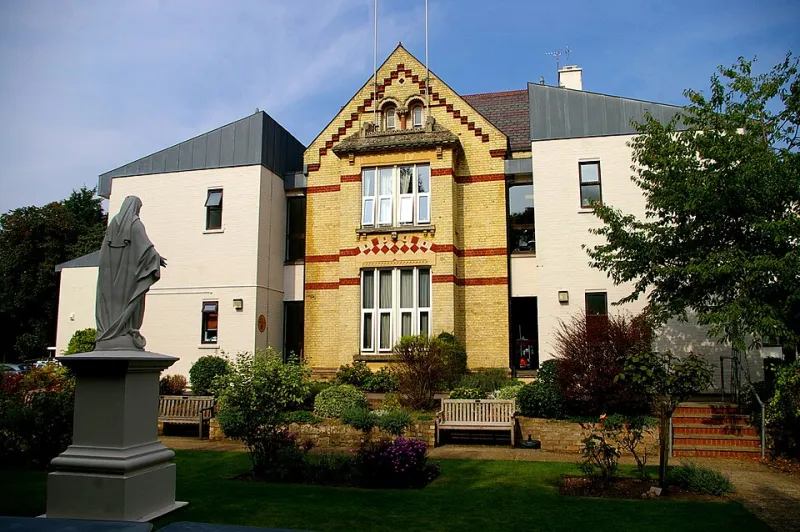
Photo: Tiger , CC BY-SA 2.0, via Wikimedia Commons
Mealtimes carry more weight than menus sometimes suggest. In residential care, food is nutrition, yes, but it is also memory, choice, company and a daily sign that someone has been thought about. At St Dorothy’s Residence, the resident food committee exists to keep that thoughtfulness practical. It follows ideas from a tasting tray in the dining room to the printed menu in reception, and it gives residents a real voice in what appears on their plates.
The committee is not a grand affair. It meets regularly, with residents, catering staff and a member of the care team. There are tasting samples, comments, gentle disagreement and the occasional firmly held view about porridge. The aim is not to turn dinner into a committee meeting. It is to make sure that the people who eat the food have a say in shaping it.
Lesson one: start with a tasting tray, not a survey
A questionnaire can tell us that someone likes rice pudding. A tasting tray can tell us that they like it with nutmeg, not cinnamon, and that they prefer a smaller portion with stewed fruit. Taste is difficult to capture in writing. A small sample, offered at the right time and with no pressure, gives residents something concrete to respond to. It also makes the conversation social rather than bureaucratic.
Lesson two: favourites are not childish
Residents often ask for dishes that others might call plain: shepherd’s pie, cauliflower cheese, semolina, a proper cup of tea, porridge made the way it was made at home. These requests are not unsophisticated. They are personal. A familiar dish can anchor a day, particularly for someone who is settling in or living with dementia. The committee therefore protects favourites rather than treating them as a fallback.
Lesson three: British seasonal produce belongs on the menu
We make good use of UK seasonal produce where we can: British apples in autumn, root vegetables through the winter, strawberries and soft fruit in summer. Seasonal food is not only about freshness. It gives the menu a natural rhythm and connects mealtimes to the year outside. Residents notice when the first rhubarb appears or when the colder months bring a warming stew. It creates conversation as well as nutrition.
Lesson four: cultural dishes should be offered with respect, not as a novelty
A resident’s food history may include dishes from outside the UK, and those dishes should be part of the conversation. The committee asks residents and families about food memories, festive dishes and everyday favourites. A cultural dish should be cooked properly, explained simply and offered without making anyone feel like a exhibit. The question is not whether a dish is exotic. It is whether it is familiar, enjoyable and appropriate for the person being served.
Lesson five: texture-modified diets must never feel like a separate table
Some residents need modified textures for safety, and that requirement must be met with care. But a modified diet should not mean a modified sense of belonging. The committee looks at how dishes can be adapted so that the menu still feels recognisable: a Sunday roast presented appropriately, a dessert that holds its shape, a sauce that brings flavour without risk. Staff also consider how food is served and described, so that no one is singled out or made to feel different. The same dining room, the same conversation and the same attention to presentation matter for everyone.
Lesson six: families can suggest, not lobby
Families often have excellent ideas. A resident may have loved a particular family recipe, or may have lost interest in food since a bereavement or illness. The simplest route is to speak to a member of the care team or leave a short note for the food committee. A sentence or two is enough: what the dish is, why it matters, and whether there are any dietary considerations. Families do not need to campaign. They need only start a conversation.
Lesson seven: keep the feedback loop visible
The committee only works if residents can see that their views have been heard. We therefore share what has changed: a new porridge option, a different vegetable, a pudding brought back by request. Sometimes the answer is no, or not yet, and that is explained too. Visible feedback builds trust. It shows that the committee is not a listening exercise with no follow-through.
The porridge question, and why it matters
Porridge is a good example of how the committee works. Some residents like it thick, some like it thin, some prefer it with salt and others with sugar or fruit. It would be easy to settle on one version and move on. Instead, the committee tasted, discussed and adjusted. The result is not a perfect compromise that pleases everyone. It is a menu that acknowledges difference and gives residents room to choose.
That is the wider lesson. A food committee is not there to make mealtimes complicated. It is there to make them personal. At St Dorothy’s Residence, we want every resident to sit down at the table and recognise something: a favourite dish, a familiar flavour, or simply the knowledge that their preference has been asked for and remembered.