Room to Breathe: Why a Quieter Afternoon Belongs in Residential Care
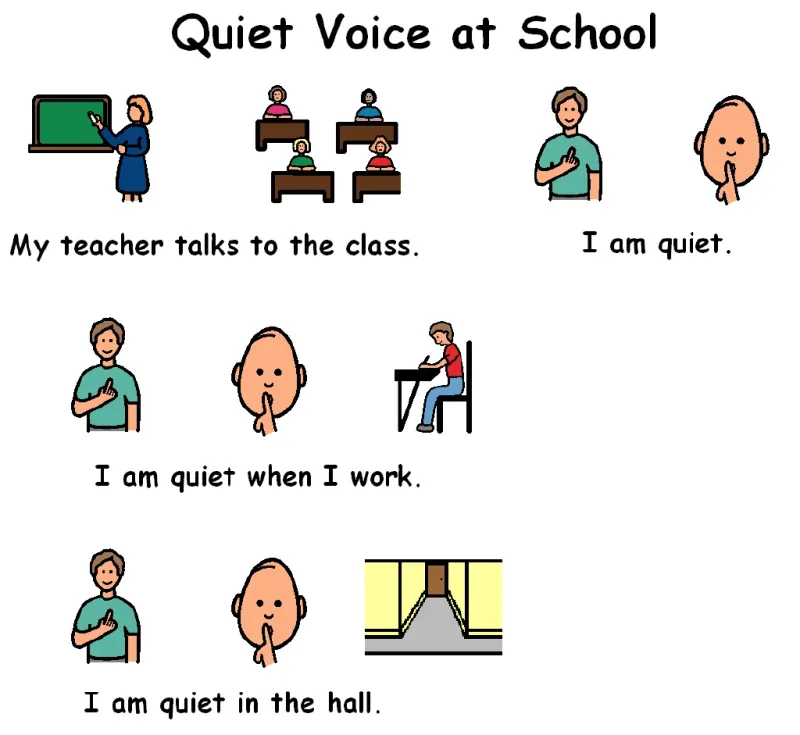
Photo: quiet residential care lounge soft lamp light comfortable armchair elderly resident, via cdn.quotesgram.com
In a shared home, a busy calendar can look reassuring. It suggests company, purpose and something to look forward to. Yet a timetable that fills every hour can also place pressure on residents who find noise, movement and group conversation tiring. At St Dorothy's Residence, we regard quiet as part of the day's care, not as a gap in it.
Why quiet is part of participation
Group living is stimulating by nature. Mealtimes, visitors, music, conversations in corridors and the ordinary movement of staff all create a background hum. For some residents this is welcome. For others, including people living with dementia, hearing loss, fatigue, anxiety or sensory sensitivity, it can become difficult to process. A resident may become withdrawn not because they wish to be alone, but because the room has become too loud to enter comfortably.
A protected quiet period gives people time to settle. It lowers the demand to respond, reduces competing sounds and allows a resident to join an activity later, when they are ready. Quiet is therefore not withdrawal. It is a form of care that helps someone remain part of the community on their own terms.
What a quiet hour looks like
A quiet hour should not feel like an empty room with the lights turned off. It should feel calm, safe and gently occupied. At St Dorothy's, we aim to keep one shared space available at a lower level of stimulation while other parts of the home continue as normal. The television may be switched off or used with subtitles and low volume. A radio may play softly, or not at all. Staff avoid unnecessary trolley movements and keep conversation at a natural, lowered volume.
Lighting matters as much as sound. Where possible, we use lamps and softer lighting rather than bright overhead lights, and we avoid glare or flicker. Comfortable seating is arranged so that residents can sit beside one another without being required to talk. A newspaper, a puzzle, a photograph album or simply a view of the garden can be enough. The aim is not to entertain people into silence, but to create conditions in which they can rest or engage at their own pace.
Light, sound and gentle signals
Clear signage helps everyone understand what is happening. A simple sign at the entrance to the quieter lounge might read Quiet time until 3pm, with a visual symbol for those who find text harder to follow. Staff also offer a spoken prompt: the lounge is resting for a while, and there is a quieter space available. This phrasing is important. It invites rather than instructs, and it avoids suggesting that anyone is being asked to leave.
Staff are alert to the resident who becomes restless in a noisy room. Rather than waiting for distress, they may offer a choice: would you prefer to sit by the window, or come with me to the quiet lounge? The resident keeps control of the decision. A hand on the arm, a familiar object or a short walk to a calmer area can be more supportive than a long explanation.
How staff hold the space
Quiet periods work best when they are included in handover. Staff need to know who is likely to benefit, who prefers company, and who may find a silent room unsettling. Someone should remain nearby without hovering. A staff member may sit quietly with a resident, sort laundry nearby or complete paperwork at a low table, providing reassurance through ordinary presence rather than conversation.
We also review quiet periods with residents and families. If a resident says the room feels too isolated, we adjust. If a family member notices that a relative is more settled after a quiet afternoon, we note it. The purpose is not to impose silence, but to create a reliable rhythm that people can trust.
Supporting a quieter visit
Families often worry about visiting during a quiet period. In practice, it can be one of the most rewarding times to be together. Before travelling, it is worth asking staff whether a quieter space is available or whether a short walk in the garden would suit better. On arrival, switch the mobile phone to silent, keep the television off and allow pauses in conversation. A resident who is sleepy may simply wish to hold a hand or listen to a familiar voice.
It is also helpful not to fill every silence. A quiet visit communicates that there is no need to perform or entertain. If a resident becomes tired, the visit can end gently, with the reassurance that someone will return. Families can ask staff how the resident has responded and whether a different time of day would be better.
Joining in when ready
When the quiet period ends, residents are invited back into the life of the home. Some will join immediately; others may prefer another hour of calm. Neither response is a failure. A caring home makes room for both. At St Dorothy's Residence, our measure of a good day is not how many activities took place, but whether each resident had a genuine opportunity to take part, rest and feel at home.